&geometry(285x80) "Industrial and Cable Group")
The Complete Guide to Jet Boat Steering Cables in Australia
 "The Complete Guide to Jet Boat Steering Cables in Australia")
Whether you're restoring a classic jet boat, maintaining a family ski boat or preparing your vessel for another season on the water, your steering system is one component you simply can't afford to overlook.
A smooth, reliable steering system makes every trip safer and more enjoyable. Yet steering cables are often forgotten until the steering becomes heavy, stiff or unreliable.
In this guide, we'll explain how jet boat steering cables work, how to identify the correct replacement, what causes steering problems and how to keep your steering system operating at its best.
What Is a Jet Boat Steering Cable?
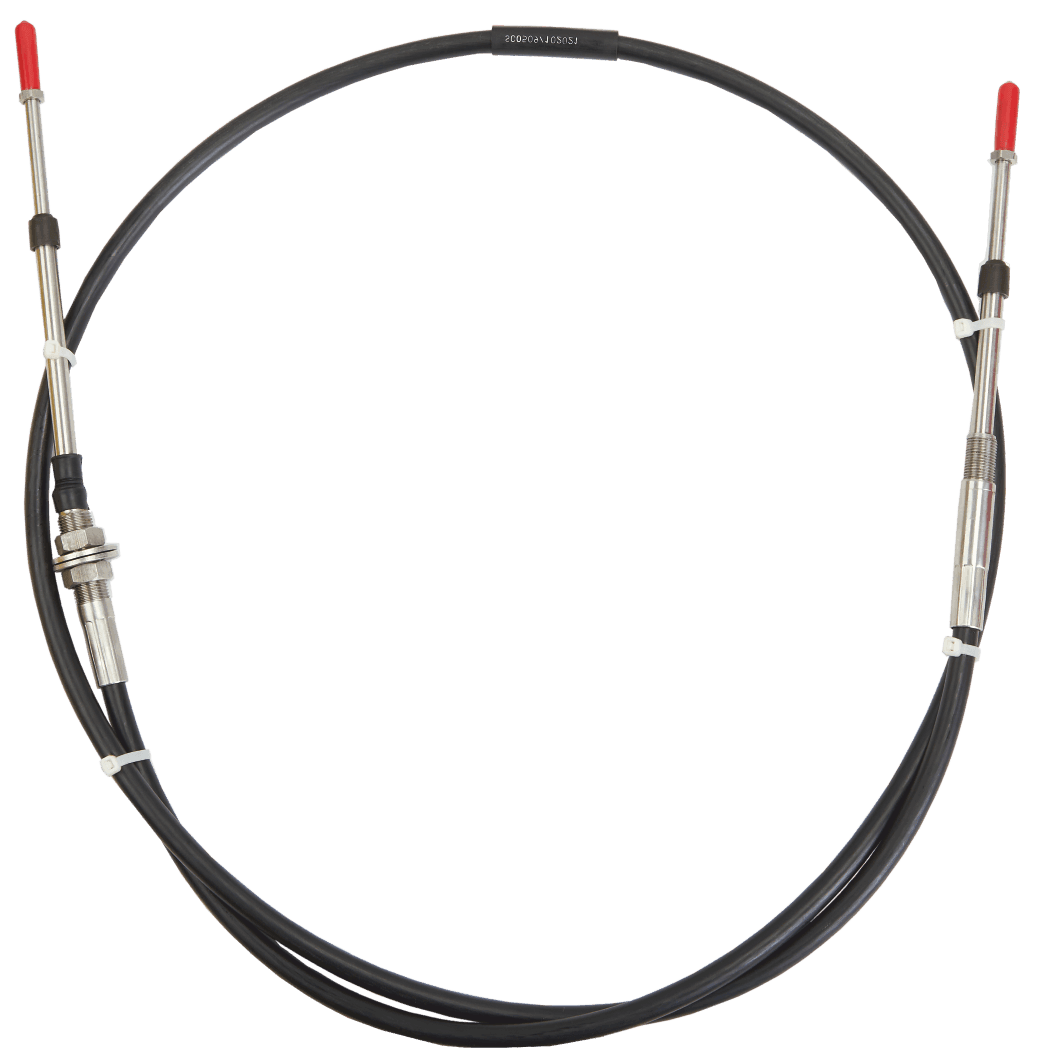
A jet boat steering cable is the mechanical link between your steering wheel and the steering nozzle at the rear of the boat.
When you turn the steering wheel, the steering helm pushes or pulls the inner cable, which moves the jet nozzle left or right to control the direction of the boat.
Unlike hydraulic steering systems, mechanical steering systems rely on a precision-engineered cable to transfer steering movement smoothly and accurately.
A quality steering cable should provide:
- Smooth steering action
- Reliable directional control
- Long service life
- Consistent steering feel
- Minimal maintenance
How Does a Mechanical Jet Boat Steering System Work?
A typical mechanical steering system consists of several components working together:
- Steering wheel
- Steering helm
- Steering cable
- Steering bezel
- Steering tube
- Jet nozzle linkage
Each part plays an important role. If any component becomes worn or damaged, steering performance can be affected.
Signs Your Steering Cable Needs Replacing
Steering cables don't usually fail overnight. More commonly, performance gradually deteriorates as the cable ages.
Watch for these warning signs:
- Steering becomes noticeably heavier.
- The wheel feels rough or jerky.
- Steering doesn't return smoothly.
- Corrosion is visible around the cable ends.
- The cable jacket is cracked or damaged.
- Steering movement feels inconsistent.
Replacing the cable before complete failure helps maintain safe and predictable steering.
Why Do Steering Cables Become Stiff?
Several factors contribute to steering cables becoming difficult to operate.
Saltwater Exposure
Saltwater is one of the biggest causes of corrosion inside mechanical steering systems.
Regular freshwater rinsing after use helps extend cable life.
Moisture
Water entering the cable housing can cause internal corrosion and increase friction.
Age
Like any moving component, steering cables naturally wear over time.
Lack of Maintenance
Routine inspections can identify problems before they become major repairs.
Choosing the Correct Replacement Steering Cable
Selecting the correct steering cable is essential.
Always match:
- Cable length
- Steering system type
- Connection style
- Existing part number where possible
Installing a cable that is too short or too long can reduce steering performance and complicate installation.
Industrial & Cable Group supplies SC-05 Jet Boat Steering Cables in lengths from 7ft to 14ft, providing options for a range of compatible mechanical steering systems.
How Do I Measure a Jet Boat Steering Cable?
The easiest method is to inspect your existing cable.
Most steering cables have a part number printed on the outer jacket indicating the cable style and length.
If the label is no longer visible:
Remove the cable if necessary.
Measure it according to the steering manufacturer's guidelines.
Confirm compatibility before ordering.
If you're unsure, seek technical advice rather than estimating.
Can I Replace Just the Steering Cable?
Yes.
Provided your steering helm and associated steering components remain in good condition, replacing only the steering cable is often the most economical solution.
However, whenever replacing a cable it's good practice to inspect:
- Steering helm
- Steering tube
- Steering linkage
- Steering wheel
- Mounting hardware
Maintaining Your Steering System
Simple maintenance can significantly extend the life of your steering system.
We recommend:
- Inspecting steering annually.
- Rinsing with fresh water after saltwater use.
- Checking for corrosion.
- Replacing damaged components promptly.
- Following the steering manufacturer's maintenance recommendations.
Preventive maintenance is almost always less expensive than emergency repairs.
Why Buy Your Steering Cable from Industrial & Cable Group?
Industrial & Cable Group specialises in high-quality mechanical control cables and steering components.
When you purchase from us you'll benefit from:
- Australian-owned supplier
- Expert technical advice
- Fast Australia-wide dispatch
- Premium marine steering components
- Secure online ordering
- A range of steering cable lengths from 7ft to 14ft
Frequently Asked Questions
What is an SSC219 steering cable?
SSC219 refers to a commonly recognised steering cable style used in compatible mechanical steering systems. Always confirm compatibility with your existing steering setup before ordering.
How do I know what length steering cable I need?
The easiest way is to check the part number printed on your existing cable. If that's not possible, measure the cable according to the steering manufacturer's specifications.
Can I install a longer steering cable?
No. Steering cables should always be replaced with the correct specified length. A longer cable can create unnecessary bends and affect steering performance.
Can steering cables be repaired?
In most cases, no. If a steering cable becomes stiff, damaged or internally corroded, replacement is the safest and most reliable solution.
How long does a steering cable last?
The lifespan varies depending on usage, maintenance and environmental conditions. Saltwater use generally shortens service life compared with freshwater use.
Do I need to replace the steering helm as well?
Not always. If the steering helm is in good condition and compatible with the replacement cable, replacing only the steering cable is often sufficient.
Final Thoughts
Your steering system is one of the most important safety systems on your boat.
Replacing a worn steering cable before it fails helps maintain precise steering, improves handling and provides greater confidence every time you head out on the water.
Whether you're replacing an existing cable or identifying the correct steering solution for your vessel, choosing the right cable length and ensuring compatibility will help keep your boat performing safely and reliably for years to come.
 "Industrial and Cable Group") Author:Industrial and Cable Group
Author:Industrial and Cable Group